Sinaloa’s Agricultural Bounty: From Farms to Your Table
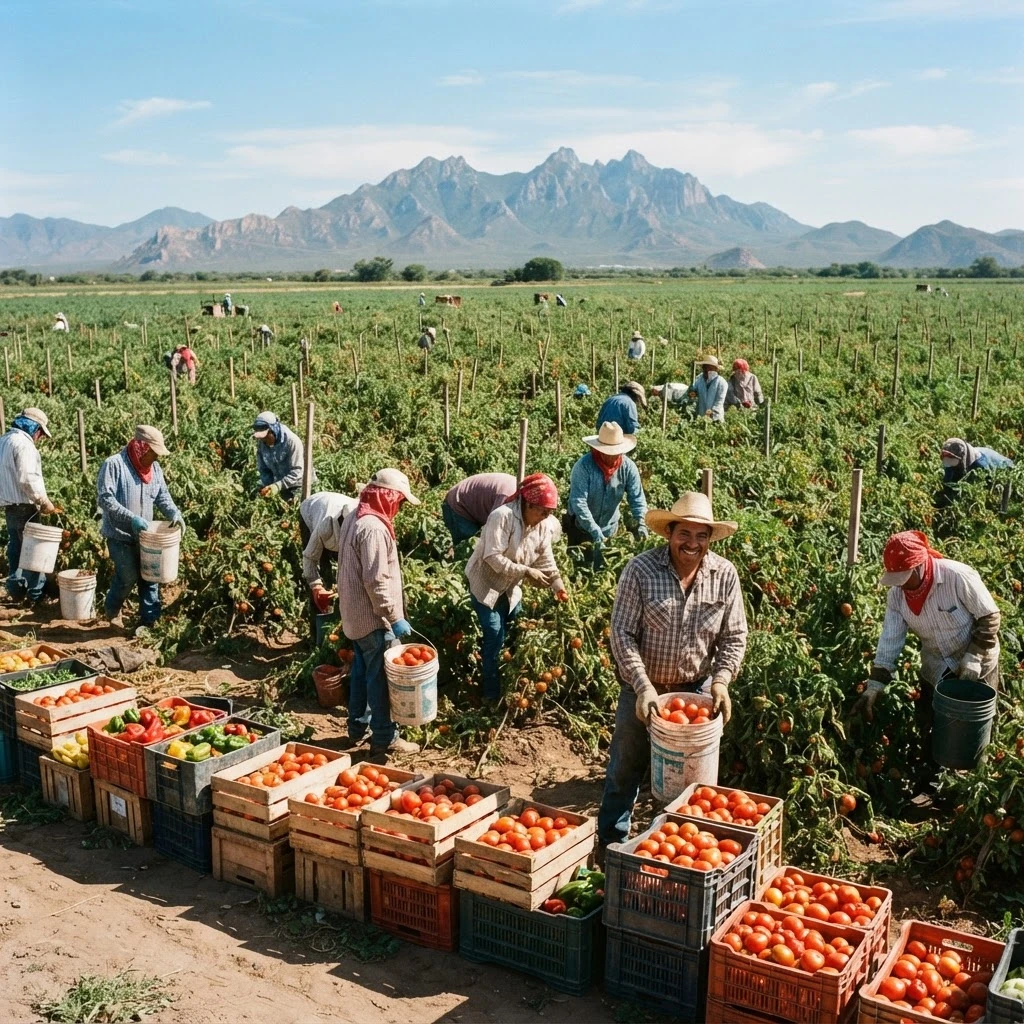
From fresh vegetables and fruit to ingredients served in neighborhood restaurants, agricultural products connect Sinaloa’s farms with everyday meals. That connection involves more than growing crops: growers, distributors, markets, retailers, and food businesses all play a part in moving harvests to consumers.
Understanding that farm-to-table supply chain can help shoppers ask better questions, find local suppliers, and make sense of why certain products appear at different times of year. Here’s how Sinaloa’s agricultural businesses fit together, and how to find them through local listings.
Why Sinaloa Is Known for Agriculture
Sinaloa is known for agriculture because its farming communities produce a varied supply of food for local consumers and broader markets. Farms and growers are central to the region’s economy and food system, while distributors and retailers connect their harvests with households and businesses.
The state’s agricultural landscape includes coastal plains, river valleys, and areas with different growing conditions. Irrigation supports cultivation in many locations, but water availability, weather, soil, and crop choice all influence what can be grown and when. These local conditions make agriculture a region-wide network rather than a single, uniform operation.
Food moves through a chain of specialized work. A grower may focus on cultivating and harvesting, while another business handles packing, cold storage, transport, or sales. Some farms sell directly; others work with intermediaries that combine products from multiple growers. This structure gives buyers more ways to access produce, though it can make the path from a particular farm to a specific shop less obvious.
For consumers, Sinaloa’s agricultural identity is visible in produce aisles, open-air markets, restaurant menus, and wholesale supply. Availability can change with harvest schedules and market demand, so a product associated with the region may not be equally easy to find every week.
What Sinaloa Farms Grow
Sinaloa farms grow a range of crops and food products, including vegetables, fruit, grains, and other agricultural goods. The mix varies by location, season, growing conditions, and the decisions made by individual producers, so no single list captures every farm’s output.
Vegetables are an important part of the region’s agricultural identity. Depending on the farm and season, buyers may encounter products such as tomatoes, peppers, cucumbers, squash, and leafy vegetables. Fruit production also contributes to the mix, with options varying across areas and harvest periods. Grains and other field crops form another part of the agricultural picture.
These categories are useful starting points, not a guarantee of what a particular supplier has on hand. Even within one crop category, varieties, grades, pack sizes, and intended buyers can differ. A farm selling wholesale may offer produce by the box or pallet, while a market vendor may sell smaller quantities for household use.
Think in terms of a changing crop mix. Instead of assuming every Sinaloa business sells the same products year-round, check current availability with the grower, distributor, or retailer. That simple step can save a trip and help you find an appropriate source, whether you need a few fresh items or regular supply for a restaurant.
From Harvest to Market
Sinaloa-grown products reach consumers through a sequence of harvesting, sorting, handling, distribution, and sale. The exact route depends on the crop, the producer’s sales model, and whether the final buyer is a household, retailer, restaurant, or food-service business.
After harvest, produce may be cleaned, graded, packed, and stored. Handling needs vary: some items are more delicate, while others require different packaging or temperature management to preserve quality in transit. The grower or packing operation may then sell directly or pass products to a food distributor, broker, cooperative, or wholesale market.
Distributors help connect supply with demand. They can consolidate products from several farms, coordinate transport, and deliver to retailers, restaurants, and other buyers. That convenience can broaden product access, but it may also mean a retailer cannot identify a specific farm without checking its purchasing records or asking its supplier.
From there, agricultural products may arrive at local markets, grocery shops, produce stands, or restaurant kitchens. Some growers sell directly through farm shops, pickup arrangements, or market stalls. Direct purchasing can make the source easier to discuss, while buying through a distributor may offer consistency and a wider selection. Neither route is automatically better; the right option depends on quantity, timing, and what information the buyer needs.
The Local Businesses Behind Your Food
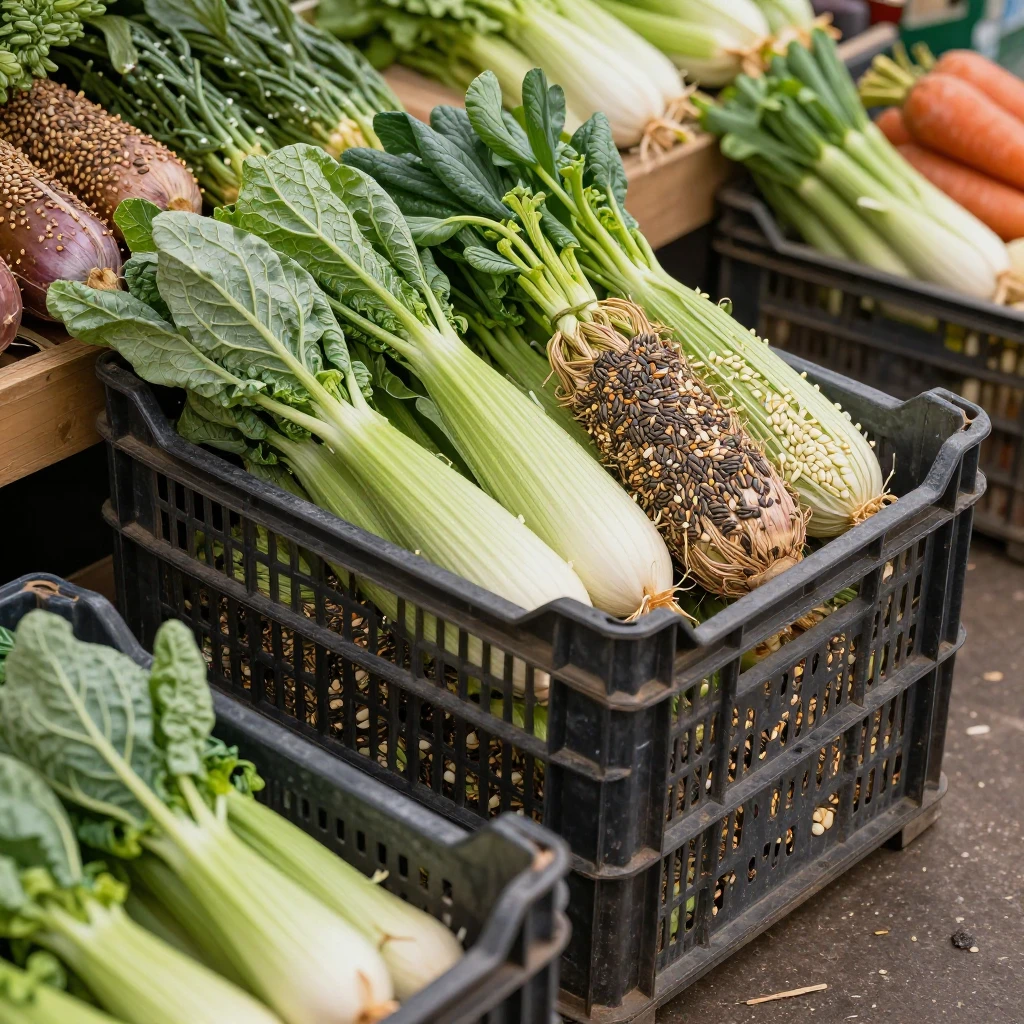
Local food businesses connect Sinaloa’s growers with consumers by handling production, transport, sales, and preparation. Farms, food distributors, market vendors, retailers, and restaurants each provide a different link in the farm-to-table supply chain.
Growers cultivate crops and make decisions about planting, harvest timing, and sales. Some operate as small family farms; others serve commercial buyers. Their listings may describe products, wholesale or retail options, delivery areas, and how to make contact. Availability is often best confirmed directly, especially during a changing harvest period.
Distributors and wholesale suppliers serve buyers who need volume, reliable delivery, or multiple product types. A restaurant or shop may source through a distributor rather than contact each farm separately. Local markets and produce vendors, meanwhile, give shoppers a place to compare what is available and ask about origin in person.
Retailers and restaurants turn agricultural products into convenient purchases and meals. A grocer might stock regional produce when it is available through its suppliers; a restaurant may use seasonal ingredients in daily specials. Asking where an item comes from is a reasonable way to learn more, though staff may need to check with a manager or supplier before giving a farm-level answer.
For businesses, useful questions include minimum order size, delivery days, product specifications, payment terms, and whether supply changes by season. For households, start with the product, its likely origin, and whether the seller offers a direct-purchase option.
Finding Sinaloa Agricultural Businesses
To find Sinaloa agricultural businesses, search local directories by business type, product, and location, then contact promising listings to confirm details. A directory can help you discover growers, distributors, markets, produce shops, and restaurants, but current stock and purchasing terms should be verified with each business.
Use specific searches rather than relying on a broad phrase such as “Sinaloa food.” Try combinations that match your need, such as “produce grower,” “vegetable distributor,” “wholesale fruit,” “local market,” or a particular crop alongside a city or municipality. If you are sourcing for a restaurant or shop, include terms such as “wholesale,” “food service,” or “bulk supply.”
Before choosing a supplier, check the listing for:
- Products: Which crops or agricultural products does the business handle?
- Customer type: Does it sell to households, commercial buyers, or both?
- Service area: Are pickup, delivery, or market sales available where you need them?
- Contact details: Can you reach the business by phone, email, or an official social media page?
- Current information: Are the hours, location, and buying arrangements still accurate?
Then contact the business with a short, practical request. For example: “Do you currently have locally grown tomatoes? What quantity do you sell, and is pickup or delivery available?” A clear question helps the supplier respond efficiently and gives you information you can compare across listings.
Directories are useful for discovery, but a listing is not a guarantee of current inventory, certification, or farm origin. Confirm those details directly, particularly for recurring or high-volume orders.
Choosing Seasonal and Locally Sourced Products
To choose seasonal and locally sourced products, ask what is available now, where it was grown, and how the seller handles orders. Harvest seasons shape supply, so a product’s availability and price can change as crops move in and out of harvest.
There is no need to memorize a fixed calendar for every crop. Weather, growing conditions, planting schedules, and the supplier’s network all affect what appears in a market. A retailer may also carry products from outside the area when local supply is limited. Asking about origin is more reliable than assuming that a product is local because it is sold in Sinaloa.
For a quick check, use three questions:
- What is available now? Ask for the current selection rather than relying on an old menu or listing.
- Where was it grown? Find out whether the seller can identify the farm, municipality, or broader source region.
- How can I buy it? Confirm quantities, prices, pickup or delivery, and any order deadline.
Seasonal shopping may bring fresher choices from nearby suppliers when those crops are being harvested, but it can mean less consistency in selection. For a home cook, flexibility can make that variation an advantage. For a restaurant or retailer that needs a dependable menu or stock list, a distributor may offer steadier supply, though the exact farm origin can be harder to trace.
Whether you are buying a small amount for dinner or sourcing regularly for a business, a directory search is a useful first step. Use it to identify potential sellers, then verify the details that matter: product, origin, quantity, timing, and delivery or pickup options.