The Impact of Tourism on Sinaloa’s Local Businesses
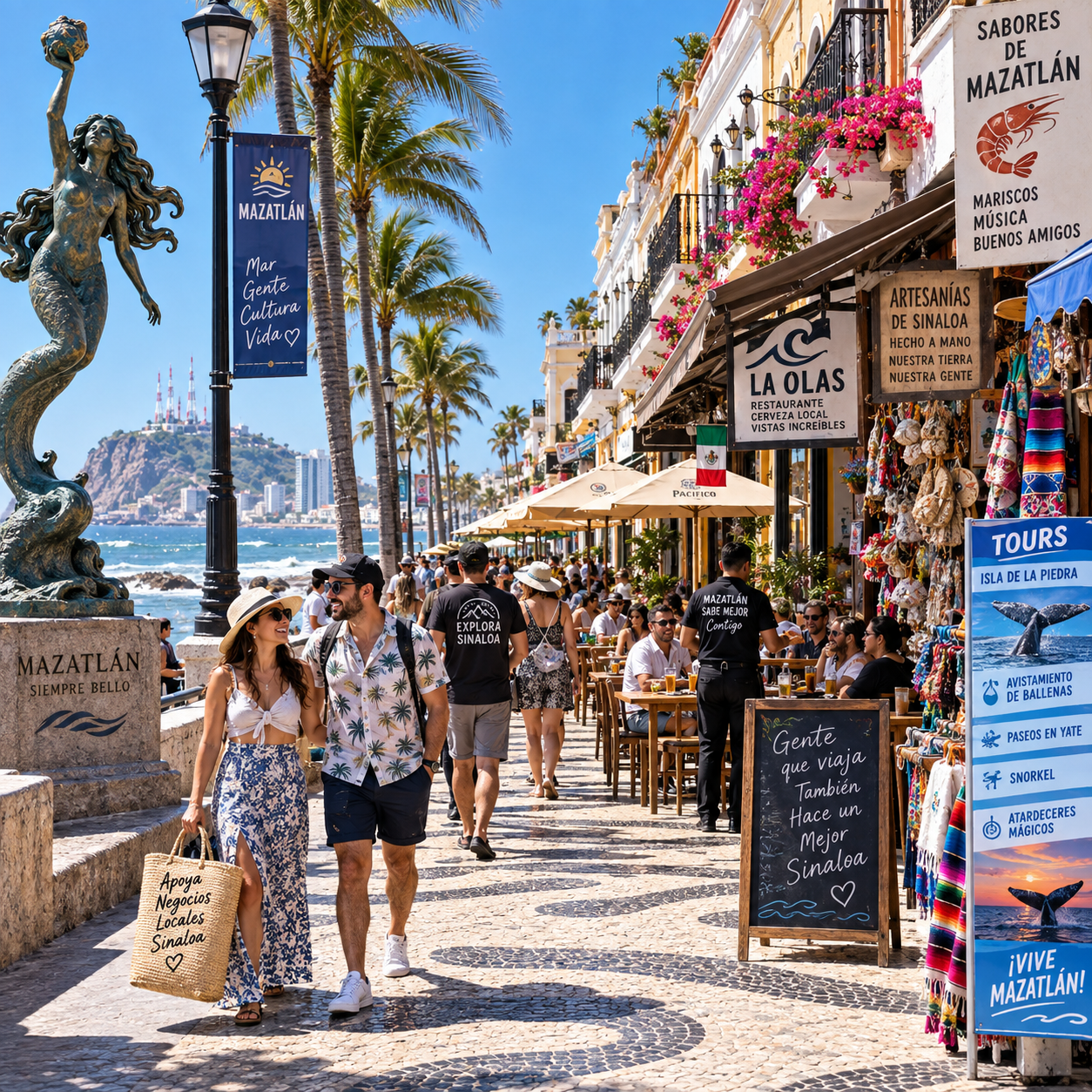
Tourism can create meaningful opportunities for local businesses in Sinaloa, especially when visitors spend with locally owned restaurants, hotels, artisans, transportation providers, and tour operators. That spending can support jobs and suppliers, while also introducing challenges such as seasonal demand, rising costs, and stronger competition.
The effects vary across Sinaloa. Mazatlán has a highly visible visitor economy, while Culiacán combines business travel and urban services, and Los Mochis connects travelers with regional transportation, commerce, and nearby experiences. Understanding those differences helps visitors spend responsibly and helps business owners plan for demand.
How Tourism Supports Sinaloa’s Local Economy
Tourism supports Sinaloa’s local economy by directing visitor spending toward accommodation, food, transportation, activities, and retail services. When that money stays with locally owned companies, it can circulate through employees, regional suppliers, and neighborhood businesses.
A visitor who books a family-run hotel may generate income for reception staff, cleaners, maintenance workers, and local laundry services. The same guest may eat at an independent restaurant, hire a local guide, buy regional products, and use a taxi or shuttle. Each purchase creates a connection between tourism and the wider business community.
Employment is one of the clearest benefits. Tourism-related businesses need cooks, servers, drivers, sales staff, interpreters, guides, booking coordinators, and craftspeople. Some positions are full-time; others expand during holidays, festivals, or high-demand travel periods. The quality and stability of those jobs depend on business planning and the length of the visitor season.
Tourism can also strengthen local supply chains. Restaurants may purchase seafood, produce, baked goods, and beverages from regional suppliers. Hotels may hire local repair services and buy furnishings or amenities nearby. Artisan shops and markets can provide sales channels for producers who would otherwise depend on smaller local demand.
These benefits are not automatic. A large share of revenue may leave the area when visitors choose companies headquartered elsewhere or when local businesses rely heavily on imported goods. For that reason, local ownership and supplier relationships matter as much as visitor numbers.
Which Local Businesses Benefit Most from Tourism?
Restaurants, accommodation providers, transportation companies, tour operators, retailers, and artisans usually benefit most directly from tourism because visitors purchase their services during a trip. The strongest opportunities often go to businesses that are easy to find, simple to book, and clear about what they offer.
Restaurants and food vendors
Independent restaurants, seafood establishments, cafés, street-food vendors, bakeries, and market stalls can gain new customers from visitor traffic. Tourists often seek regional flavors and convenient meals near hotels, beaches, transport hubs, and cultural areas. Clear menus, visible pricing, reliable opening hours, and food information in both Spanish and English can reduce uncertainty.
Food businesses face a practical trade-off: adapting for visitors can increase sales, but changing too much may weaken the identity that attracts customers in the first place. A useful approach is to explain local ingredients and preparation methods while maintaining a menu that also serves residents.
Hotels and vacation rentals
Hotels, guesthouses, boutique accommodations, and vacation rentals receive direct lodging revenue. Their guests also create demand for nearby restaurants, taxis, laundries, convenience stores, and activities. Locally operated properties may be able to recommend neighborhood businesses more personally than large chains.
Accurate listings are essential. A directory entry should show the property’s location, contact details, current amenities, check-in information, booking method, and verified photos. Inaccurate availability or outdated descriptions can lead to poor reviews and lost referrals.
Tour operators and transportation services
Tour operators, local guides, taxi providers, shuttle companies, car rentals, and other transportation services help visitors move through Sinaloa and discover its communities. These businesses often connect several sectors at once by recommending restaurants, markets, outdoor activities, and cultural experiences.
Visitors should look for providers with clear itineraries, transparent prices, current contact information, and evidence of legitimate operations. Business owners can build trust by explaining what is included, how long services take, and what happens if weather or other conditions require a change.
Artisan shops and markets
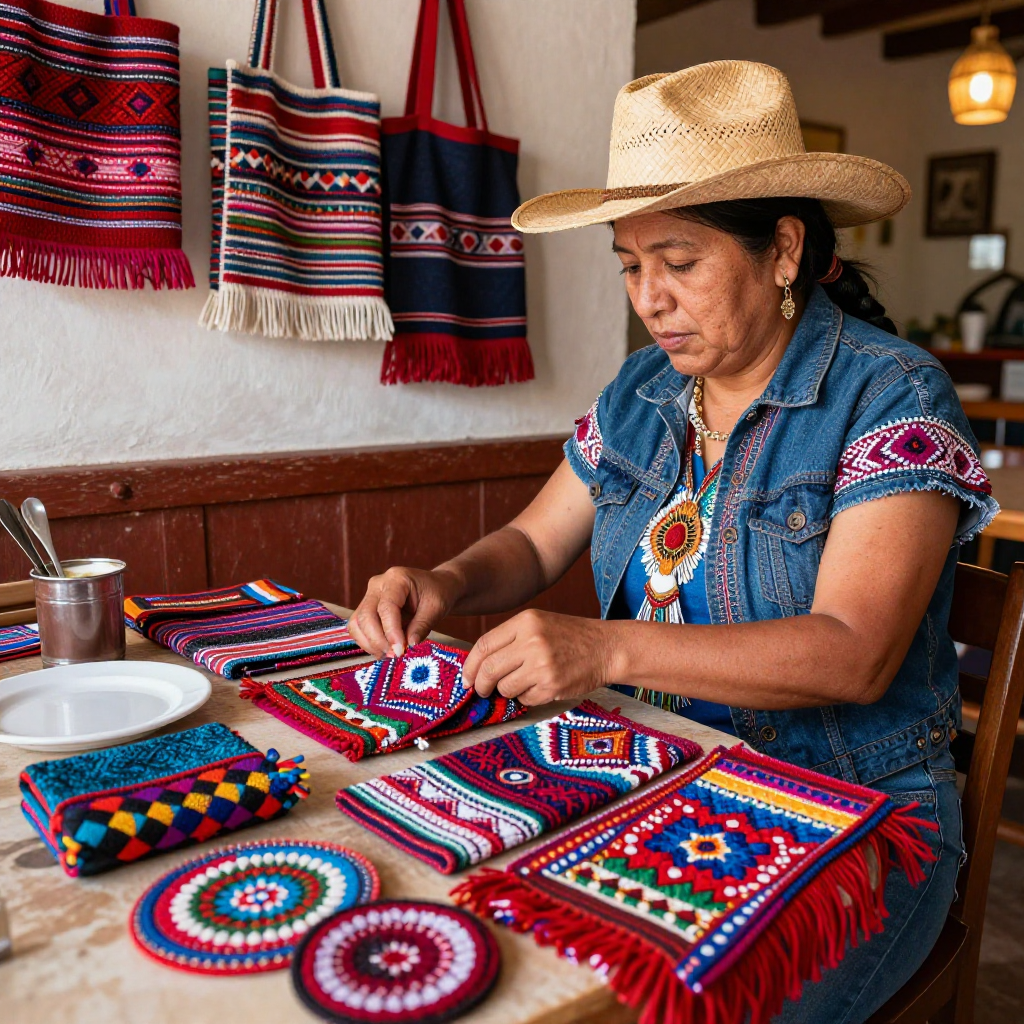
Artisan shops, craft markets, specialty food stores, and independent retailers benefit when visitors purchase products with a clear connection to Sinaloa. These sales can support makers, designers, family businesses, and small distributors.
Retailers can improve the experience with product descriptions, payment options, packaging suitable for travel, and information about how goods are made. That context gives visitors a reason to buy directly rather than choosing an indistinct souvenir from a larger chain.
Tourism’s Role in Mazatlán, Culiacán, and Los Mochis
Tourism affects Mazatlán, Culiacán, and Los Mochis differently because each city has a distinct visitor profile, business mix, and relationship with surrounding communities.
Mazatlán has a prominent visitor economy linked to coastal travel, hospitality, dining, entertainment, tours, and artisan retail. Restaurants, hotels, vacation rentals, transport providers, and activity operators may experience strong demand in particular periods. That concentration creates opportunities for neighborhood businesses, although it can also make some companies vulnerable to abrupt changes in visitor volume.
Culiacán is a major urban and commercial center. Local businesses may serve residents first while also benefiting from business travel, events, visiting families, shopping, dining, and professional services. For these companies, tourism may be one revenue stream rather than the entire business model. A directory listing that clearly identifies location, parking, hours, delivery, and appointment options can attract both visitors and residents.
Los Mochis functions as an important commercial and transportation point for travelers moving through northwestern Sinaloa. Hotels, restaurants, transport companies, tour operators, shops, and regional service providers can benefit from overnight stays and travel connections. Businesses that explain transfer options, service areas, and nearby experiences are better positioned to convert passing travelers into customers.
These cities should not be treated as interchangeable. A beach-oriented restaurant in Mazatlán may prioritize reservation management and multilingual menus, while a Culiacán service provider may focus on business customers and appointments. A Los Mochis operator may need especially clear information about routes, pickup points, and schedules.
Challenges Tourism Can Create for Local Businesses
Tourism can create challenges for local businesses through seasonal demand, higher operating costs, dependence on visitors, competition, and pressure on infrastructure. These risks are manageable, but they require realistic planning rather than assuming that more tourists always produce more profit.
Seasonality can leave businesses busy during holidays and quiet afterward. Hiring too many workers, buying excessive inventory, or taking on fixed costs based on peak demand can damage cash flow in slower months. Businesses can reduce the risk by serving local customers, offering off-season promotions, and tracking demand by week or month.
Operating costs may rise when rents, utilities, ingredients, transportation, or maintenance services become more expensive in high-demand areas. A restaurant that gains visitors but cannot protect its margins may see little financial improvement. Reviewing prices, portion costs, supplier terms, and waste is more reliable than relying on volume alone.
Competition also increases. National chains, large booking platforms, and international brands may have stronger marketing budgets. Local companies can compete through service quality, local knowledge, distinctive products, and accurate online information. They should avoid copying larger operators if doing so reduces their own strengths.
Infrastructure pressure can affect delivery times, transport access, waste collection, and customer experience. Businesses cannot solve every community-level issue, but they can coordinate with neighboring companies and communicate realistic service expectations. Transparent information protects trust when demand temporarily exceeds capacity.
How Local Businesses Can Make the Most of Tourism
Local businesses can make the most of tourism by improving discoverability, keeping information accurate, delivering dependable service, and forming partnerships that connect visitors with the wider community.
An accurate local directory listing is a practical starting point. Include:
- Business name, address, map location, phone number, and messaging options.
- Current opening hours, holiday schedules, reservation requirements, and payment methods.
- A concise description of services, prices or price ranges, accessibility, and service areas.
- High-quality photographs that represent the current premises, products, or vehicles.
- Languages supported and information useful to international visitors.
- Recent customer reviews and a process for responding professionally to feedback.
Visibility only creates an opportunity; service converts it into repeat business. Staff should know how to answer common questions about directions, wait times, ingredients, booking terms, and nearby services. Even small improvements, such as confirming a reservation promptly or publishing a current menu, can remove friction.
Partnerships are another efficient strategy. A hotel can recommend an independent restaurant, a guide can refer customers to an artisan market, and a transportation company can coordinate with accommodations. These relationships work best when referrals are based on reliability and relevance rather than simply the highest commission.
Businesses should also track a few useful measures: calls or messages from directory listings, booking conversion, repeat customers, average transaction value, review themes, and demand by season. Those indicators reveal whether tourism is producing sustainable value or only short bursts of activity.
How Visitors Can Support Sinaloa’s Local Businesses
Visitors can support Sinaloa’s local businesses by booking locally owned services, dining at independent establishments, buying directly from artisans, and choosing providers with transparent information and fair business practices.
- Stay local when possible: Compare locally operated hotels, guesthouses, and vacation rentals, then confirm location, terms, and current reviews before booking.
- Eat beyond familiar chains: Try independent restaurants, cafés, food vendors, and markets while respecting posted prices and local dining customs.
- Buy directly from makers: Ask about the origin of crafts, food products, and other goods. Direct purchases make it easier to understand who benefits from the sale.
- Use verified local providers: Check contact details, service descriptions, cancellation policies, and recent reviews before booking tours or transportation.
- Leave useful feedback: A specific review about service, cleanliness, punctuality, or product quality helps future customers and gives owners actionable information.
Responsible spending does not require paying any price. Visitors can compare options, ask questions, and choose businesses that provide clear value. Respecting workers, neighborhoods, schedules, and local resources is part of supporting a destination’s business community.
Building a More Sustainable Tourism Economy
A sustainable tourism economy in Sinaloa depends on cooperation among local businesses, residents, tourism organizations, and visitors so that tourism revenue supports communities over time. The goal is steady local value, not simply higher visitor counts.
Businesses can collaborate on neighborhood maps, shared promotions, referral networks, and seasonal events. Tourism organizations can help communicate responsible visitor behavior and promote a broader range of businesses. Residents provide an important test: tourism works better when local services remain useful, affordable, and respectful of community needs.
Local ownership should remain visible in destination marketing. Listings and promotional materials can distinguish independent companies from national or international operators without treating either category as automatically good or bad. The useful question is whether the business provides reliable service and whether visitor spending creates meaningful local connections.
Digital accuracy supports this goal. A directory that keeps addresses, hours, phone numbers, service descriptions, and reviews current helps visitors make informed choices and prevents wasted journeys. Business owners should claim their listings, update seasonal changes, and report incorrect information.
Tourism will continue to evolve with changing travel habits, technology, and customer expectations. Sinaloa’s local businesses are best positioned when they combine genuine local character with professional operations: clear information, consistent service, fair pricing, and partnerships that spread benefits beyond a single transaction.
Frequently Asked Questions
How does tourism benefit local businesses in Sinaloa?
Tourism brings customers to restaurants, accommodations, transportation providers, tour operators, retailers, and artisan shops. Their revenue can support local employment, suppliers, and related services.
Which Sinaloa businesses depend most on tourism?
Businesses most exposed to visitor demand include hotels, vacation rentals, restaurants, food vendors, tour operators, transportation services, souvenir retailers, and artisans. Dependence varies by city and season.
What challenges does tourism create for local businesses?
Common challenges include seasonal demand, higher operating costs, stronger competition, dependence on visitors, and pressure on transport or other infrastructure. Careful budgeting and a mixed customer base can reduce these risks.
How can tourists support locally owned businesses?
Visitors can book independent accommodations, eat at local restaurants, purchase directly from artisans, use verified local guides and transportation providers, and leave detailed, honest reviews.
How can businesses attract visitors while serving local residents?
Businesses can offer clear bilingual information, maintain reliable service, preserve local products and identity, and design promotions that work in both peak and slower seasons. Serving residents well creates stability when visitor demand changes.