Traditional Sinaloa Crafts and Their Artisans: A Guide to Local Makers
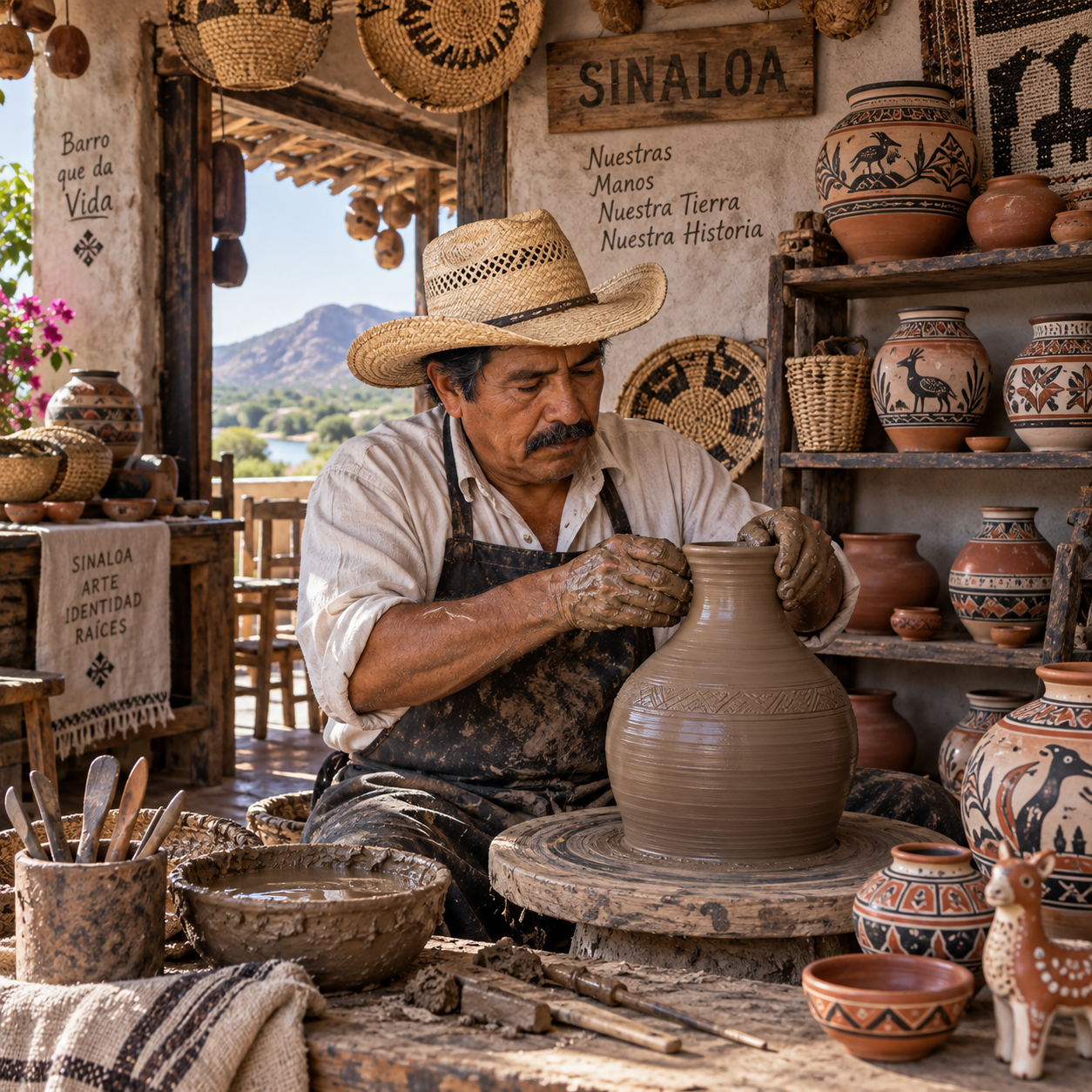
Sinaloa’s handmade crafts reflect the places, materials, and skills of the people who create them. From pottery and woven work to carved objects, each piece has its own story, and traditions can vary from one town or community to another.
For visitors and residents, finding a craft is also a chance to meet the maker, learn how an item is produced, and support a local business directly. Use this guide to explore craft categories, locate artisan workshops and markets, and ask useful questions before buying.
What Makes Sinaloa’s Craft Traditions Distinct?
Sinaloa’s craft traditions are shaped by regional materials, local knowledge, and the varied communities that make up the state. The result is a range of handmade work rather than one uniform style associated with all of Sinaloa.
Geography influences what artisans can source and how they make it. Depending on the maker and location, materials may include clay, plant fibers, wood, cotton, or other locally available resources. Climate, access to tools, and intended use also affect a piece’s form and finish. A functional basket made for everyday storage, for example, may be designed differently from one intended primarily for display.
Technique and context matter as much as appearance. A shape, pattern, or method may be specific to an individual workshop or community. It is safer to ask an artisan where a design comes from than to assume it represents the entire state. That conversation can reveal whether the maker learned through family practice, community instruction, independent experimentation, or a combination of influences.
For a local business directory, useful context starts with verifiable details: the artisan’s location, products, contact options, and whether visitors can see the work being made. These facts help people find makers without presenting a directory listing as the final authority on cultural history.
Traditional Crafts to Look For in Sinaloa
Traditional crafts to look for in Sinaloa include handwoven textiles, pottery and ceramics, basketry, and wood carving, though availability and techniques differ by maker and locality. Ask about the specific materials and process behind each item.
Handwoven textiles
Handwoven textiles can include cloth, decorative pieces, or useful household items. Their fibers, colors, patterns, and production methods depend on the artisan. If you are interested in a textile, ask whether it was woven by hand, what fibers it contains, and how to wash or store it. “Handmade” can describe different stages of production, so a clear explanation of the process is more useful than a label alone.
Pottery and ceramics
Pottery and ceramics range from vessels and dishes to decorative objects. Makers may use different clays, forming methods, surface treatments, and firing processes. Some pieces are suitable for serving food; others are meant for display. Confirm a piece’s intended use before buying, especially if it has a painted, glazed, or unglazed surface.
Basketry and wood carving
Basketry uses woven plant fibers or other materials to create containers, trays, and decorative forms. The weave, flexibility, and shape can offer clues to a basket’s function, but the maker can explain the materials and care best. Wood carving, where available, may produce utensils, figures, ornaments, or other objects. Ask what kind of wood was used and whether the finish requires special care.
Look beyond the category name. Two baskets or ceramic bowls may differ in origin, labor, durability, and intended use. A short discussion with the artisan helps you choose a piece that fits your needs and understand what makes that particular object distinctive.
Meet the Artisans Behind the Work
Local artisans shape Sinaloa’s handmade crafts through practiced techniques, material knowledge, and choices made at every stage of production. Talking with a maker is often the clearest way to learn who made an item and how it came together.
In an artisan workshop, the work may involve preparing fibers or clay, shaping or weaving, drying, decorating, and finishing. Some makers handle every step themselves; others work with relatives or fellow artisans, with tasks shared across a household or community. Avoid assuming a particular family tradition unless the artisan describes it.
When you visit a workshop, ask whether the maker is working that day and whether demonstrations or visits are available. Workshops are places of work, not automatically open attractions, so arrange a visit in advance and follow any photography or safety requests. If a maker is busy, a brief question about materials or process is usually more welcome than interrupting a production task.
Artisans also make practical decisions that affect price and availability. A larger piece may take longer to produce, while a particular material may be seasonal or difficult to obtain. Custom orders can involve extra time and a deposit. Clarify the expected completion date, dimensions, shipping options, and payment terms before committing.
Where to Find Sinaloa Artisans and Their Crafts
You can find Sinaloa artisans through local craft markets, artisan workshops, cultural events, and business directory listings. Check current opening hours, location, contact details, and visitor policies before making a trip.
Craft markets let you compare work from several sellers in one place, but a market stall may not be the maker’s permanent location. Ask who created the item and whether the seller can share the artisan’s business contact. For a workshop visit, confirm the address and whether the artisan accepts walk-ins, appointments, or group visits.
A directory listing is most useful when it provides practical, up-to-date information, such as:
- Location: Town or neighborhood, plus directions or a map reference when available.
- Products: Specific craft types, materials, and examples of items currently offered.
- Contact options: A phone number, messaging channel, email, or social profile maintained by the business.
- Visit details: Opening hours, appointment requirements, accessibility notes, and whether workshops or demonstrations are offered.
Listings can change, and not every artisan sells directly to the public. Contact the business before traveling, particularly if you need a specific item or want to arrange a workshop. A directory helps you discover local makers; the artisan remains the best source for current product and cultural details.
How to Buy Handmade Crafts Responsibly
To buy handmade crafts responsibly, ask who made the piece, what materials and methods were used, how it should be cared for, and whether its use is appropriate for your needs. Clear questions help you make an informed purchase and respect the maker’s work.
Use this simple **maker–material–method–meaning** check before buying:
- Maker: Who created the item, and does the seller represent the artisan or workshop?
- Material: What is it made from, and are there care or sourcing considerations?
- Method: Which steps were done by hand, and were any tools or manufactured components involved?
- Meaning: Is the design personal, decorative, functional, or connected to a specific community or practice?
Do not treat visible irregularities as proof of authenticity. Handmade objects can have small variations, but those alone do not identify who made a piece or where it came from. Conversely, a polished finish does not mean an item was mass-produced. Ask for an explanation, and assess the answer alongside the seller’s knowledge and transparency.
Check dimensions, weight, fragility, and return or exchange terms before paying. For pottery, confirm whether the item is food-safe and suitable for hot liquids or dishwashers. For textiles and baskets, ask about cleaning and storage. If you plan to travel with a purchase, find out whether it needs protective packaging. A lower price is not always a better deal if it fails to account for the maker’s time or the cost of materials.
Supporting Craft Businesses in Local Communities
Supporting Sinaloa’s craft businesses means helping artisans reach customers while paying fairly for their work. Buying directly can make the maker’s contribution easier to recognize, although a well-run shop or market seller may also provide valuable access and sales support.
When possible, purchase from the artisan or a seller who can identify the maker and explain the item’s origin. Pay the agreed price rather than pressing for a steep discount, especially after learning how much time and skill a piece requires. For custom work, agree on the design, price, deposit, delivery date, and shipping arrangements in writing.
Support does not have to end at checkout. With the artisan’s permission, share their business contact or directory listing with people who may be interested. Leave an accurate review that mentions the products, service, and visit details you personally experienced. Do not publish a workshop’s location or images of its makers without consent.
Directory owners can contribute by verifying contact information, distinguishing workshops from retail shops, and noting when details were last checked. Accurate listings reduce wasted trips and help customers find the right maker. They also give artisans a practical way to explain their products on their own terms.
Frequently Asked Questions About Sinaloa Crafts
These answers offer a starting point for exploring Sinaloa crafts; individual artisans can confirm current products, workshop access, materials, and methods.
What traditional crafts are made in Sinaloa?
Crafts you may encounter include handwoven textiles, pottery and ceramics, basketry, and wood carving. The specific techniques and materials vary, so check with the maker about the origin and process of a particular piece.
Where can I find artisans or craft workshops in Sinaloa?
Search local craft markets, cultural events, workshop listings, and local business directories. Contact a maker before visiting to confirm the address, hours, and whether appointments or demonstrations are available.
How can I tell whether a craft is handmade?
Ask who made it and which production steps were done by hand. Small variations may occur in handmade work, but appearance alone cannot prove an item’s origin. A knowledgeable seller should be able to explain the process clearly.
What should I ask before buying a handmade piece?
Ask about the maker, materials, production method, intended use, care instructions, price, and return or shipping terms. If the design is said to have a specific cultural meaning, ask the artisan to explain it rather than relying on a general claim.