Supporting Local Economy: Why Sinaloa Businesses Matter
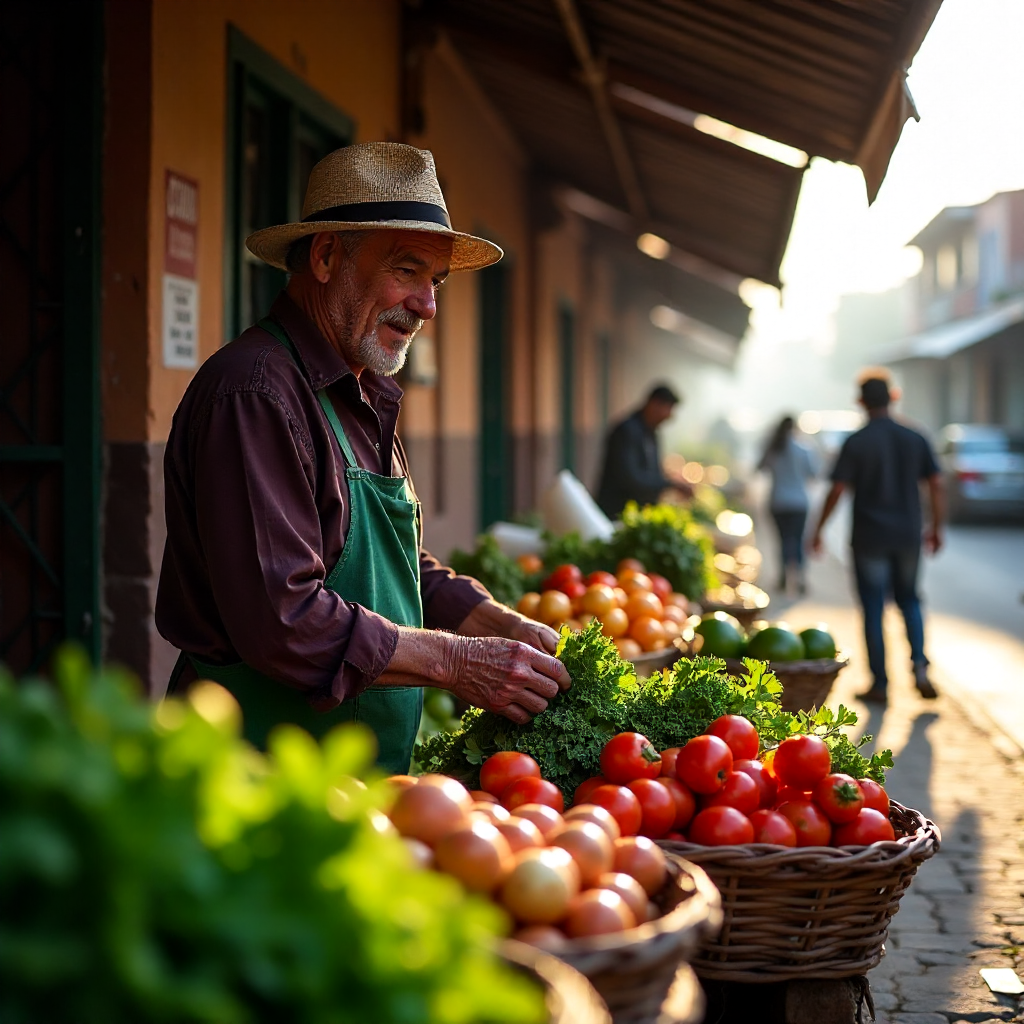
Every time someone in Culiacán buys tomatoes from a local grower, or a family in Mazatlán hires a neighborhood plumber instead of a national franchise, something quiet but significant happens. Money stays close to home. It pays a neighbor's rent, funds a child's school supplies, and keeps a family business alive for another generation. That's the real story of Sinaloa's local economy — not abstract numbers, but people making choices that ripple outward through their communities.
The Economic Backbone of Sinaloa — Local Businesses
Small and medium-sized businesses (SMEs) form the foundation of Sinaloa's economy, employing the vast majority of working residents and driving daily commercial activity across the state's cities, towns, and rural areas. These aren't just storefronts — they are the structural pillars of regional economic life.
Sinaloa's local entrepreneurs range from family-run restaurants in Los Mochis to independent agricultural suppliers in the Culiacán Valley, from artisan workshops in Cosalá to small tech and service providers serving local clients. According to Mexico's national statistics, SMEs account for over 90% of all businesses nationwide and generate roughly 70% of formal employment — and Sinaloa reflects that pattern closely.
What makes Sinaloa's business landscape distinctive is its deep connection to the land and the sea. Agriculture, fishing, food processing, and agro-industry have shaped the state's commercial identity for generations. When those sectors thrive, so do the dozens of related local businesses — equipment suppliers, transport operators, packaging producers, local restaurants — that orbit around them.
How Your Spending Stays in the Community
When you spend money at a local Sinaloa business, a significantly higher share of that money stays within the regional economy compared to spending at a national or multinational chain. This is the local economic multiplier effect, and it's one of the most compelling arguments for choosing local.
Here's how it works in practice. A family buys fresh shrimp from a local Mazatlán vendor. That vendor uses part of the revenue to pay a local employee, buys supplies from a nearby wholesaler, and hires a local accountant. Each of those people then spends locally too. The same peso circulates through the community multiple times before it eventually leaves the region.
Contrast that with purchasing the same product from a national supermarket chain. A much larger portion of the revenue flows to corporate headquarters, shareholders, and centralized supply chains located outside Sinaloa. The multiplier effect shrinks considerably.
Choosing local isn't about rejecting convenience — it's about understanding that consumer spending habits have compounding consequences. Even modest shifts in where residents and visitors spend money can translate into meaningful differences in community development over time.
Jobs, Livelihoods, and Opportunity in Sinaloa
Supporting local Sinaloa businesses directly creates and sustains employment for families across the state. Local job creation isn't a side effect of a healthy local economy — it's the central outcome.
When a small business in Sinaloa grows, it typically hires locally. The baker in Guasave who expands her operation brings on two more employees from the neighborhood. The artisan cooperative in El Fuerte that gets more orders trains apprentices from the surrounding community. These are not abstract economic statistics — they are real people who, without that income, might face the difficult choice of leaving Sinaloa to find work elsewhere.
Out-migration is a genuine concern for many Mexican states, including Sinaloa. Young people and skilled workers who can't find meaningful local employment often move to larger cities or abroad. A robust local business environment — supported by residents and visitors who choose to spend locally — gives those workers a reason to stay, build careers, and raise families in the communities where they grew up.
Local employment also tends to be more resilient during economic downturns. Businesses with deep community roots are often more committed to retaining staff than distant corporations making decisions based purely on quarterly earnings.
The Diversity of Sinaloa's Local Business Landscape
"Local business" in Sinaloa means something far richer than a corner shop. The state hosts one of Mexico's most diverse regional economies, spanning agriculture, food production, artisan crafts, fishing, retail, hospitality, and professional services.
Consider the range:
- Agriculture and agro-industry: Sinaloa is Mexico's breadbasket, producing tomatoes, corn, chickpeas, peppers, and more. Local producers, cooperatives, and small processing businesses form a vast network across the state's fertile valleys.
- Fishing and seafood: From Mazatlán's port to smaller coastal communities, local fishers and seafood processors supply some of Mexico's finest shrimp, tuna, and marlin — much of it sold through local markets and family-run restaurants.
- Artisans and craftspeople: Sinaloa has a tradition of handmade goods — woven textiles, ceramics, leather goods, and wood carving — produced by skilled artisans who carry forward techniques passed down across generations.
- Food and beverage: Local tamale makers, tortillerías, mezcal producers, and regional specialty food businesses represent a living culinary heritage that no national chain can replicate.
- Retail and services: Independent clothing stores, hardware shops, repair services, and professional firms provide everyday value to residents while keeping commercial activity rooted in local hands.
This diversity is a strength. It means that choosing local in Sinaloa is almost always a practical option, not a sacrifice.
Local Businesses as Keepers of Sinaloa's Culture and Identity
Local businesses do something national chains simply cannot: they preserve and express regional identity and culture. A Sinaloa tortillería isn't just selling tortillas — it's maintaining a recipe, a texture, and a taste that belongs to this specific place.
When homogenized retail and food chains expand into a region, they bring standardized products, standardized aesthetics, and standardized experiences. That's convenient, but it gradually erodes the distinctiveness that makes Sinaloa feel like Sinaloa. The local mezcal producer, the family restaurant serving chilorio and carne con chile, the artisan selling hand-tooled leather goods — these businesses are living expressions of the state's heritage.
There's also a social dimension. Local entrepreneurs are typically embedded in their communities in ways that corporate managers are not. They sponsor the neighborhood baseball team, donate to the local school festival, and show up at community meetings. Their success and the community's wellbeing are genuinely intertwined.
Supporting local businesses, then, is also a way of voting for the kind of place Sinaloa will be in ten or twenty years — one that retains its character and cultural richness, or one that looks increasingly like everywhere else.
Practical Ways to Support Local Sinaloa Businesses Every Day
Supporting the Sinaloa local economy doesn't require grand gestures. Small, consistent choices add up to significant impact over time. Here are concrete actions that make a real difference:
- Shop at local markets and independent stores before defaulting to national chains. Mercados municipales in Culiacán, Mazatlán, and Los Mochis offer fresh, local products at competitive prices.
- Eat at family-run restaurants rather than franchise locations. Local fondas and comedores keep traditional Sinaloa cuisine alive while supporting local employment.
- Leave honest online reviews for local businesses you appreciate. A five-star review on a local listing can bring in new customers who wouldn't otherwise have found the business.
- Recommend local businesses to friends, family, and visitors. Word of mouth remains one of the most powerful marketing tools for small businesses without large advertising budgets.
- Hire local service providers — plumbers, electricians, accountants, designers — when you need professional help. These businesses often deliver personalized service that large companies can't match.
- Buy local Sinaloa products as gifts. Artisan crafts, regional foods, and locally made goods make meaningful presents that also support local emprendedores.
None of these steps requires a major lifestyle change. They simply require awareness — knowing which local options exist and choosing them when it's reasonable to do so.
How a Local Business Directory Makes It Easier to Choose Sinaloa
One of the biggest practical barriers to supporting local businesses is simply not knowing they exist. A local business directory solves that problem directly by connecting consumers with verified Sinaloa businesses across every sector and municipality.
Instead of defaulting to a national search engine result dominated by large chains, residents and visitors can browse a curated local listings platform to find the artisan, the food producer, the repair shop, or the professional service they need — businesses that are genuinely rooted in Sinaloa communities.
For tourists visiting Mazatlán, El Fuerte, or Cosalá, a local directory is especially valuable. It surfaces authentic local experiences — the family-run seafood restaurant, the craft market, the guided tour led by a local operator — that generic travel platforms often overlook in favor of larger, better-funded brands.
For residents, using a local business directory regularly is one of the most consistent ways to reinforce the habit of choosing local. When finding a Sinaloa business is as easy as finding a national chain, the choice becomes much simpler.
The goal isn't to make supporting local businesses feel like a civic duty. It's to make it the obvious, convenient choice — because when it's easy to find quality local options, most people are happy to choose them.
Frequently Asked Questions
What counts as a "local" business in Sinaloa?
A local business in Sinaloa is generally one that is owned and operated by Sinaloa residents, with its primary economic activity — production, sales, or services — based within the state. This includes family-run shops, independent professionals, agricultural producers, artisans, and small to medium enterprises headquartered in Sinaloa municipalities. The key distinction is that profits and decisions stay within the regional community rather than flowing to distant corporate owners.
How does buying local in Sinaloa differ from buying from national chains?
When you buy from a local Sinaloa business, a much larger portion of your money recirculates within the regional economy through local wages, local suppliers, and local reinvestment. National chains typically send profits to headquarters outside Sinaloa and use centralized supply chains, which reduces the local multiplier effect. Local purchases also tend to support more personalized service, regionally specific products, and businesses with genuine community ties.
Can tourists also support the Sinaloa local economy?
Absolutely. Visitors to Mazatlán, Los Mochis, Culiacán, and other Sinaloa destinations have significant purchasing power that can directly benefit local communities. Choosing local restaurants over chain hotels' dining options, buying artisan crafts directly from makers, hiring local guides, and shopping at municipal markets rather than souvenir chains all direct tourist spending toward local businesses and families.
How can I find trustworthy local businesses in Sinaloa?
A local business directory focused on Sinaloa is the most reliable starting point. These platforms list verified businesses by category and location, making it straightforward to find reputable options. Beyond that, asking neighbors and community members for recommendations, checking local social media groups, and looking for businesses with consistent positive reviews are all practical ways to identify trustworthy local providers.
What industries are most important to Sinaloa's local economy?
Agriculture is Sinaloa's most prominent industry — the state is one of Mexico's top producers of vegetables, grains, and legumes. Fishing and aquaculture are also central, particularly along the coast. Food processing, retail trade, construction, and professional services round out the local economy. Artisan production and cultural tourism are smaller but culturally significant sectors that deserve recognition and support.